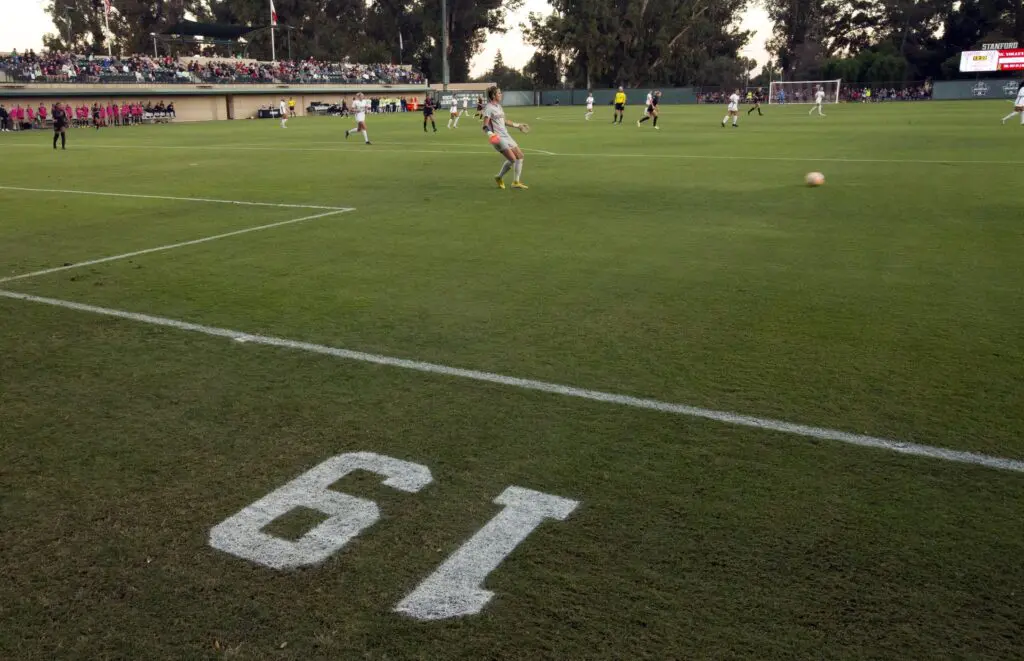
Stanford University reached a settlement with the parents of Katie Meyer, ending a wrongful death lawsuit filed after the former Cardinal soccer star’s death by suicide in March 2022. The agreement caps more than three years of legal proceedings regarding the university’s disciplinary actions.
Steven and Gina Meyer filed suit in late 2022, alleging that Stanford’s actions "negligently and recklessly" contributed their daughter’s distress. The legal challenge focused a late-night disciplinary notice sent to the 22-year-old goalkeeper that "contained threatening language regarding sanctions and potential 'removal from the university.'"
The notice was addressing an incident in which Meyer allegedly spilled coffee on a football player accused of sexually assaulting her teammate.
While the financial terms remain confidential, the settlement closes a high-profile case that drew national attention to student-athlete mental health. The Meyer family argued that Stanford failed to provide adequate support or a safe environment after initiating the high-stakes case.
Before her death, Katie Meyer was a standout athlete who captained Stanford to the 2019 NCAA championship. Following her passing, her parents founded Katie’s Save, an initiative advocating for Katie Meyer’s Law supporting students facing university policy violation allegations. The policy allows students to designate a trusted adult to notify during any disciplinary or mental health crisis.
Stanford pens joint statement addressing Katie Meyer settlement
In Monday’s joint statement, Stanford agreed to "adopt the principles" of Katie Meyer’s Law. Additionally, they plan to launch a new initiative dedicated to student-athlete mental health and establish a scholarship in Meyer’s name. Sanford women's soccer will also retire Meyer's no. 19 jersey.
"While Katie’s passing remains devastating and tragic, the memory of her accomplishments and the uplifting influence she had on those who knew her lives on," the statement reads.
"Stanford and the Meyer family believe that working together on these initiatives will both honor Katie’s indelible legacy and help current and future students in meaningful ways."
While the university did not publicly admit liability, the case prompted widespread action regarding student disciplinary processes and mental health.