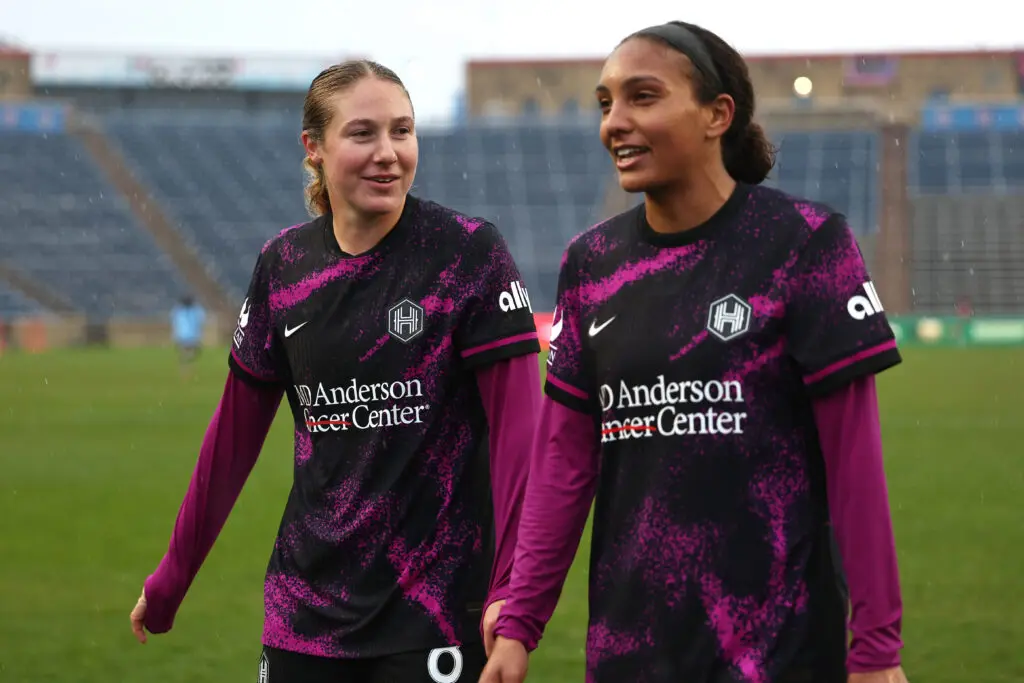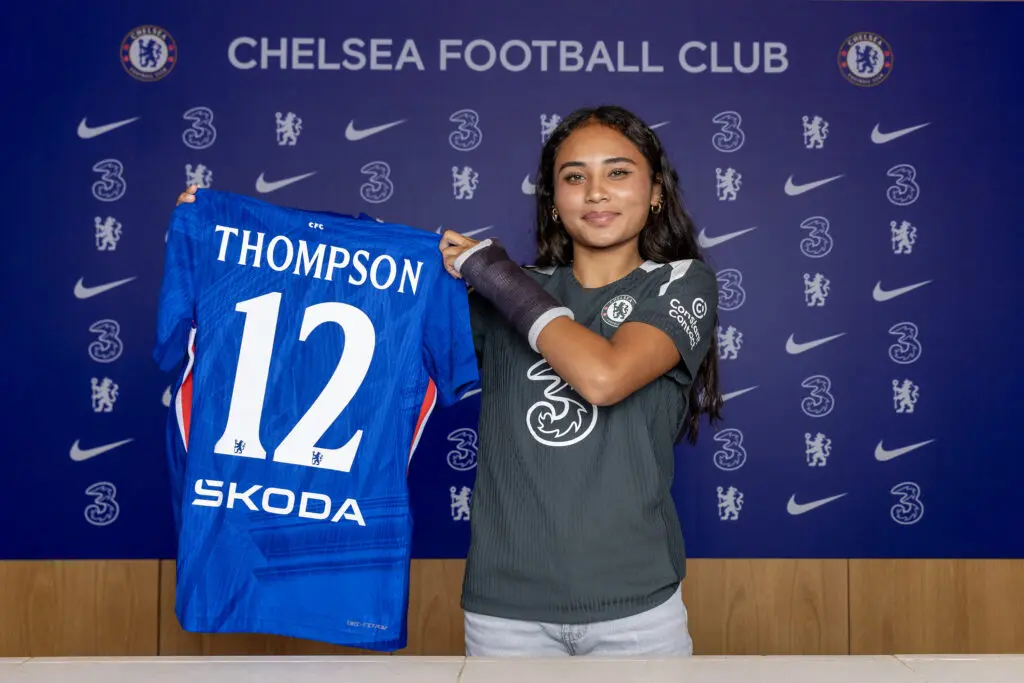
The NWSL salary cap has become a hot topic in recent weeks, with big-name — and big-money — transfers like Angel City forward Alyssa Thompson's overseas move to Chelsea and North Carolina Courage striker Jaedyn Shaw's reportedly imminent trade to Gotham raising concerns about the league's financial edge.
While Shaw's reported league-record $1.25 million trade proves that US teams are willing to pay a premium for top talent, the disparity between flashy transfer fees and salary limitations could be holding the NWSL back.
"I know that in the NWSL there are ambitious clubs that want to be able to compete with the likes of a Chelsea, with the likes of a Barcelona," retired USWNT star Tobin Heath said on last week's episode of The RE—CAP Show. "These teams are capped out, they can't compete. They're going to lose their best players."
The league's most recent collective bargaining agreement sets each NWSL club's current salary cap at $3.3 million, which will titrate up to $5.1 million by 2030 while also adding potential revenue sharing options.
In 2024, the average league salary was $117,000. However, with 22- to 26-player rosters, teams often low-ball some athletes in order to afford to pay out for superstars.
Soft salary cap overseas lures soccer's top players
In comparison, the UK's WSL and second-tier WSL2 operate with soft caps, recently shifting to a framework that allows teams to spend up to 80% of their revenue plus a capped contribution from club owners on player salaries.
"We have no intent to kind of 'cap' any players' earnings," WSL Football COO Holly Murdoch told The Guardian earlier this month. "We're at the investment stage of women's football, so we don't want to deter investment. We don't want to put in rules that don't make us an attractive investment."
With NWSL top earners Sophia Wilson and Trinity Rodman becoming free agents in 2026, the US league might need to rethink its model to stay competitive in an increasingly aggressive global market.