The WNBA’s valuation just hit a historic new gear. On Friday, the league finalized a massive 11-year, $3.1 billion TV deal with partners like Disney, NBC, and Amazon, skyrocketing its annual revenue to $281 million — nearly 6.5 times its previous mark.
The agreement, first confirmed by Front Office Sports, consolidates a broad portfolio of broadcast partners, including Disney (ABC/ESPN), NBCUniversal, Amazon Prime Video, Paramount (CBS), Scripps (ION), and USA Network. The $3.1 billion total was reached after the league secured a $2.2 billion foundational deal in July 2024 and subsequently added USA Sports while renewing contracts with Scripps and Paramount.
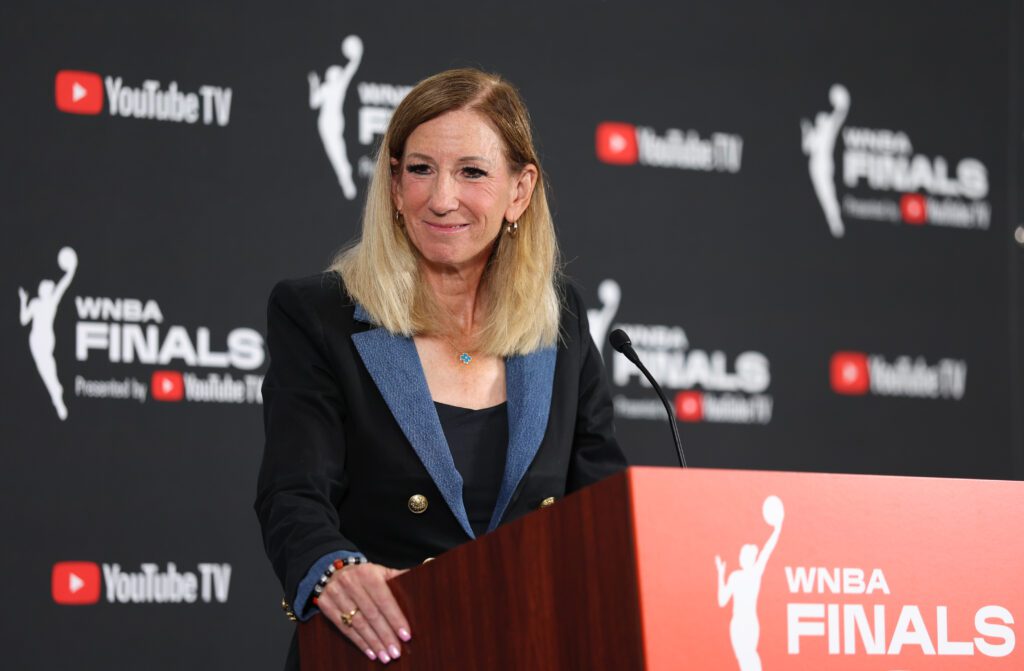
This financial level up comes as the league's global footprint reaches new heights. Ahead of the Toronto Tempo’s inaugural regular-season tip-off, Commissioner Cathy Engelbert revealed that Canadian WNBA League Pass subscriptions surged 50% year-over-year in 2025, proving the league is expanding on multiple fronts.
How to Watch the WNBA: 2026 National Broadcast Schedule and Streaming Partners
Fans can expect an unprecedented level of access starting with the 2026 season. The WNBA TV deal locks in 216 national games, covering more than 65% of the league's 330-game regular season schedule. The distribution breakdown highlights a multi-platform strategy:
- Scripps (ION): 50 games
- USA Network: 48 games
- Disney (ABC/ESPN): 30 games and major tentpole events
The postseason is also getting a fresh look. For the first time since 2000, a Disney-owned network will not hold exclusive rights to the WNBA Finals. Instead, the championship series will rotate among partners, with NBC and USA Network handling primary coverage.
WNBA TV Deal: Inside the Reset Clause and Expansion Potential
The shift to a multi-partner model (which includes Amazon Prime Video, Paramount+, and Peacock) brings the WNBA into the modern "streaming wars." While having games across numerous apps and cable channels can make discovery a "battle," Engelbert views this as a necessary byproduct of a competitive market. She noted that while fans may navigate multiple subscriptions, the increased investment from these media giants via the updated WNBA TV deal is what allows for enhanced "shoulder programming" and prime-time marketing.
With "re-set" provisions built in for 2028 and a new revenue-sharing model on the horizon, the league is positioned to keep rising alongside its viewership.