Every Wednesday in February, JWS celebrates Black History Month by spotlighting a prominent Black figure in women's sports history.
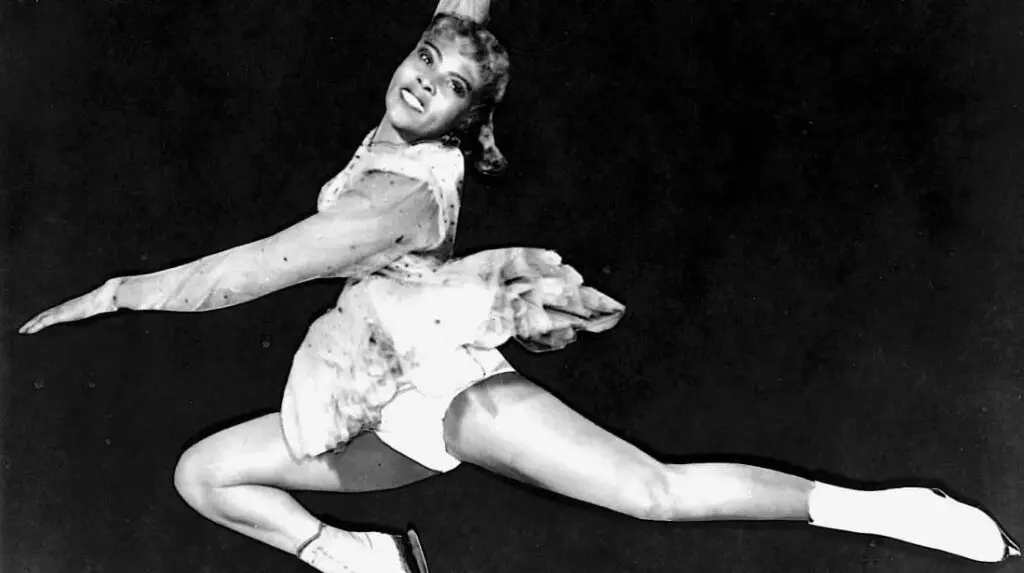
Mabel Fairbanks forever shaped the world of figure skating, paving the way for Black athletes despite never competing at the professional level herself.
Born in 1915 in Jacksonville, Florida, Fairbanks moved to New York as a teenager. She soon bought used skates at a pawn shop, stuffing them with cotton and teaching herself to skate in Central Park.
However, discriminatory Jim Crow-era laws barred Fairbanks from both the Olympic trials and national figure skating competitions during the 1930s. Despite rinks denying her entry because of her race, she persisted at the sport, eventually catching the eye of legendary coach and nine-time US champion Maribel Vinson Owen.
“To be the best I had to be as good as the kids who were on that [competitive] ice skating,” Fairbanks said in 1999 oral history. “I didn’t think that I would be able to compete at that time, I just wanted to be as good as they were, or even better.”
Owen helped Fairbanks refine her technique, leading her to book ice shows throughout New York during the 1940s. She appeared at venues including the Apollo Theater and the Brooklyn Academy of Music, before moving to Los Angeles and finding success with local and touring ice dance productions.
Mabel Fairbanks Shines as Olympic Figure Skating Coach
After retiring in 1948, Fairbanks transitioned to coaching and transformed the sport. Her students included Olympic and World Champions Tai Babilonia, Debi Thomas, Scott Hamilton, and Kristi Yamaguchi.
In 1997, Fairbanks made history as the first African American inducted into the US Figure Skating Hall of Fame. She received a posthumous induction into the International Women's Sports Hall of Fame in October 2001.
Fairbanks died September 29th, 2001 in Burbank, California at age 85. Her legacy lives on through the champions she coached and their lasting impact on the sport of figure skating.