All Scores

Natasha Hastings wouldn’t let pregnancy end her track career

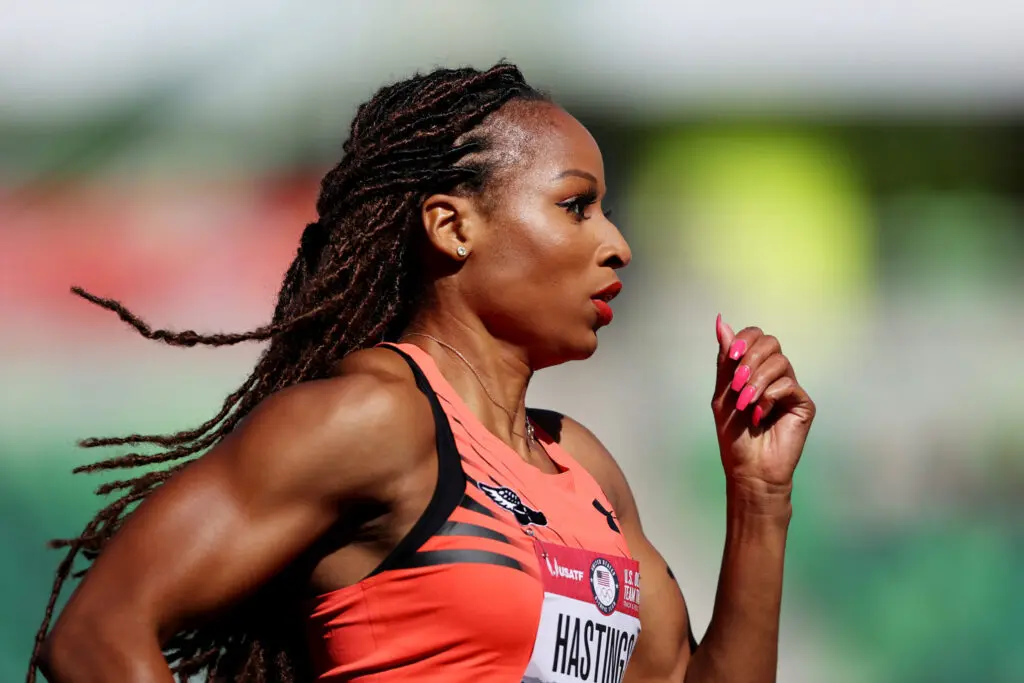
Natasha Hastings competes in the 400 meter during the U.S. Olympic Track & Field Trials last June. (Patrick Smith/Getty Images)

For the first five months of her pregnancy, two-time Olympic gold medalist Natasha Hastings was terrified to tell her sponsors that she was expecting. Yes, the opportunities available to female athletes had improved a lot in her lifetime, but having a baby was still referred to as the “kiss of death” in elite running circles.

“The truth is that every single minute of the first five months I’d been pregnant, I was terrified,” she revealed in a 2020 op-ed. “I was worried about how it would change my fitness, my body. What would it look like, feel like, when I came back? What did this mean for coming back for the Olympics? What did this mean for the rest of my track career? Would I effectively have a career at all?”

Born in 1986, Hastings is a classic product of Title IX, the 1972 legislation guaranteeing equal access regardless of gender and celebrating its 50th anniversary next month.

After exploding onto the scene at the 2003 USATF Junior Olympics, the New York native earned an athletic scholarship to the University of South Carolina, where she was the indoor and outdoor 400M national champion her junior year. Turning pro in 2007, Hastings went on to win gold medals with Team USA in the 4×400 relay at both the 2008 and 2016 Olympics.

In 2019, she was laser focused on qualifying for Tokyo. She envisioned it as her third and final Olympic games, an opportunity to bid farewell to the sport that had given her so much and that she had given everything to. And then she found out she was pregnant.

In addition to her fears about the physical impact on her body and performance, Hastings worried that people would question her commitment — that choosing to become a mom signaled to the world she was not 100 percent invested in her running career. From Hastings’ point of view, there were hardly any examples of elite runners whose careers weren’t derailed by having children, and plenty of examples of those who were affected, including her own mother.

“My mother, Joanne Hastings, was once a world-class 200-meter sprinter herself during the early to mid-Eighties,” Hastings wrote. “She was a record-setting star in college and made the 1984 Olympic team for Trinidad & Tobago. After I was conceived, however, her career as an athlete was over.”

After putting it off for as long as she could, Hastings finally picked up the phone and called Under Armour to tell her title sponsor she was having a baby. It was a huge weight off her shoulders when they responded with positive support and excitement. Looking back on the conversation later, Hastings realized that having women in leadership roles was key to the end result.

“When I was signed to Under Armour, a woman signed me. When I made the call to Under Armour to tell them I was pregnant, I made that call to a woman,” Hastings said. “It’s important for women to be telling our stories and making decisions for us. A lot of times, women are left out of the conversation because the people making the decisions don’t look like us, don’t understand us.”

img
Hastings trained for the Tokyo Olympics at home during the pandemic after giving birth to her son. (Tom Pennington/Getty Images)

Hastings had well-founded reasons to worry about her sponsor’s reaction. Within a couple of weeks of her conversation with Under Armour, several Nike runners went public with complaints that the company had reduced their pay or suspended their contracts when they could not compete during and after pregnancy. Among the complainants was Allyson Felix, the most decorated American track and field athlete in Olympic history. In a powerful piece for the New York Times, Felix detailed her frustrating negotiations with Nike over maternity protections that ultimately caused her to walk away from the table completely.

After the stories came out about what pregnant female runners were dealing with, Under Armour called Hastings again to check on her and open up a dialogue about the stress she felt before telling them.

In August 2019, Hastings gave birth to her son Liam and got back to training within weeks, as she still had her sights set on Tokyo. When the pandemic further derailed those plans, Hastings continued to train as best as she could at home. But when she eventually stepped to the line at the U.S. Olympic Trials in June 2021, Hastings did not qualify for Tokyo.

Days after her heartbreaking finish, Hastings told Self Magazine, “There are two things that I’m thinking about when I think about what I want to do going forward. Am I emotionally able to do this again, and am I physically able to do this again?”

Whether or not she decides to continue pushing her body to reach maximum speed and aim for a future final farewell on the track, Hastings knows that, regardless of becoming a mom, running doesn’t last forever.

Now a graduate assistant coach for her alma mater, where she is pursuing her master’s degree in clinical mental health as well as running her own foundation and raising her son, Hastings is one of many changing the image of professional female athletes. As more women are starting families well before their athletic careers are over, they are looking closely at their leagues, their collective bargaining agreements, their contracts and their brand endorsements and pushing for the necessary changes.

“I am definitely encouraged by seeing the number of athletes that are willing to use their voice and platform,” Hastings told Essence Magazine last year. “I think we all can agree as women and as Black women, a lot of times our experiences are minimized, or we’re being told that we’re being dramatic.”

As a result of female athletes speaking out, leagues around the country have implemented new progressive pregnancy and maternity leave policies.

In 2019, after Felix and her colleagues spoke out, Nike announced an 18-month contract protection period during and after pregnancy for sponsored athletes. The WNBA’s 2020 CBA included fully-paid maternity leave, two-bedroom apartments for players with children and a childcare stipend. The following year, the league granted access to free fertility testing for all players. The NWSL Players’ Association, in its very first iteration of a CBA this year, secured eight weeks of paid parental leave for both birth and adoption. And Athletes Unlimited last year guaranteed paid leave for pregnancy and postpartum recovery for as long as needed during the season, as well as parental leave for adoption and for any player whose partner or spouse gives birth.

Having a child was once an imposed finish line for female athletes, like Hastings’ mom Joanne. But Hastings’ generation of women, who came of age after Title IX and were raised on the promise of equal opportunity, have carried that standard into their careers as pro athletes and into motherhood, changing the sporting landscape for generations of women to come.

Tessa Nichols is a contributing writer at Just Women’s Sports.
J.Crew Launches Winter Olympics Collection with U.S. Ski & Snowboard

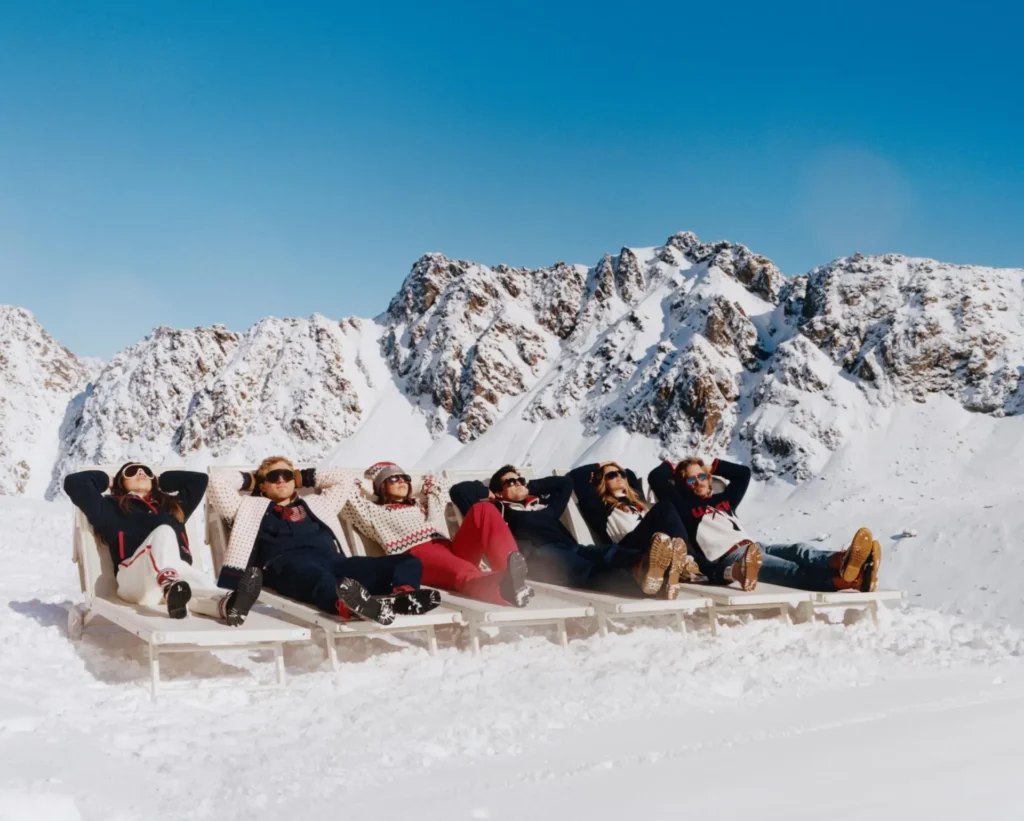
US Ski & Snowboard athletes Colby Stevenson, Rell Harwood, Tess Johnson, Hailey Langland, River Radamus, and Zach Miller pose in J.Crew gear for the retailer's 2026 Olympics collection.
Six members of the US Ski & Snowboard team bound for the 2026 Winter Olympics were tapped for the apparel collection. (J.Crew)

J.Crew is hitting the slopes with Team USA for the 2026 Winter Olympics, dropping a limited-edition retail collection in collaboration with US Ski & Snowboard this week.

The apparel giant tapped six members of Team USA to model the capsule, including 2018 and 2022 Olympic snowboarder Hailey Langland, 2018 Olympic mogul skier Tess Johnson, and freestyle skier Rell Harwood, who is aiming to make her Olympic debut this year.

The move comes after the brand announced a three-year deal with the winter sports' national governing body, with J.Crew signing on as an official partner of US Ski & Snowboard.

"We're proud to elevate the sport and its athletes at a moment when excitement around snow sports is higher than ever," said J.Crew Group CEO Libby Wadle.

Using themes, patterns, and patches from both the governing org's and J.Crew's historic archives, the inaugural 26-piece collection features knitwear, winter accessories, loungewear, and — in conjunction with US Ski & Snowboard partner Kappa — technical ski jackets.

With items for all ages, the capsule collection will not factor into Team USA's official Olympic uniform, but will provide retro "après-ski-style" flair for both athletes and fans.

How to purchase the Team USA x J.Crew Winter Olympics collection

The full US Ski & Snowboard collection from J.Crew will hit the retailer's online store on Thursday, though fans can sign up for the official drop notification today.

Australian Open Announces Record Prize Pool for 2026 Grand Slam

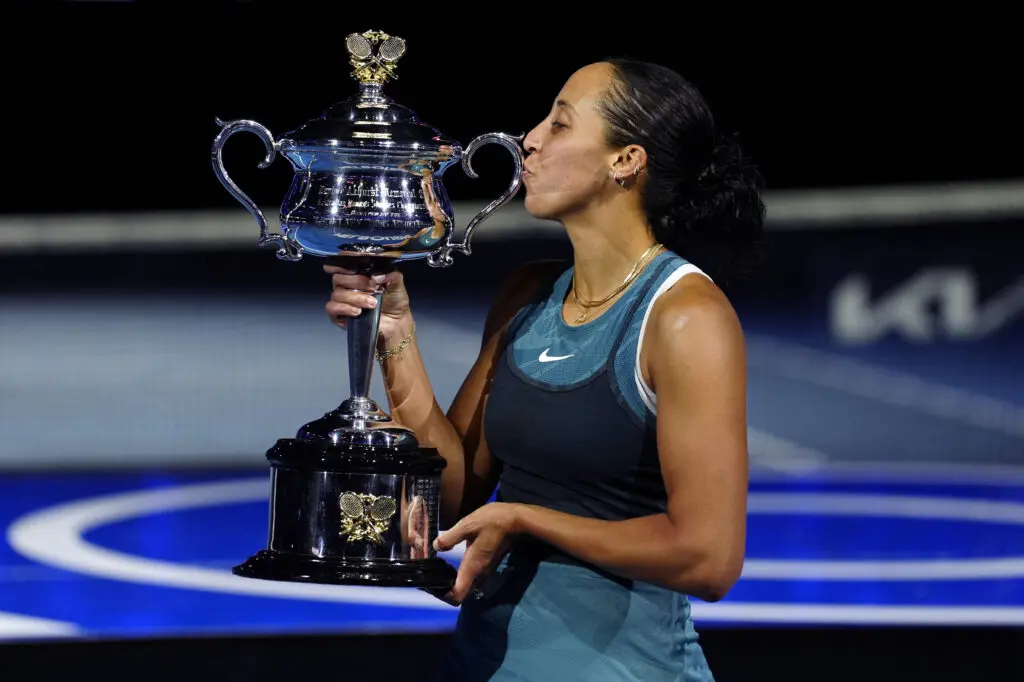
US tennis star Madison Keys kisses the Daphne Akhurst Memorial Cup after winning the 2025 Australian Open.
US tennis star Madison Keys won the 2025 Australian Open. (Fred Lee/Getty Images)

The Australian Open is raising the bar for 2026, with the first Grand Slam of the tennis season boosting its total prize pool to a record $74.9 million — a 16% increase over the 2025 tournament.

Top-finishers in both the women's and men's competitions will now receive checks worth $2.79 million — 19% more than 2025's champions — while a player exiting in the main draw's first round will earn approximately $101,000, a 14% year-over-year increase.

The annual competition has long been a pioneer in promoting equal pay, following the US Open's 1973 move by becoming the second Slam to guarantee a 50-50 breakdown between the WTA and ATP in 2001.

"This 16% increase demonstrates our commitment to supporting tennis careers at every level," said Tennis Australia CEO Craig Tiley in the governing body's Tuesday announcement. "From boosting qualifying prize money by 55% since 2023 to enhancing player benefits, we're ensuring professional tennis is sustainable for all competitors."

"This investment strengthens tennis's foundation, ensuring the sport's long-term health and commercial growth," added Tiley. "By supporting players at all levels, we're building deeper talent pools and more compelling storylines for fans."

How to watch the 2026 Australian Open

US star and world No. 7 Madison Keys will look to defend her trophy when the main draw of the 2026 Australian Open kicks off at 7 PM ET on Saturday, January 17th.

Live coverage of the season's first Slam will air across ESPN platforms.

LPGA and TMRW Sports Launch WTGL Women’s Indoor Golf League

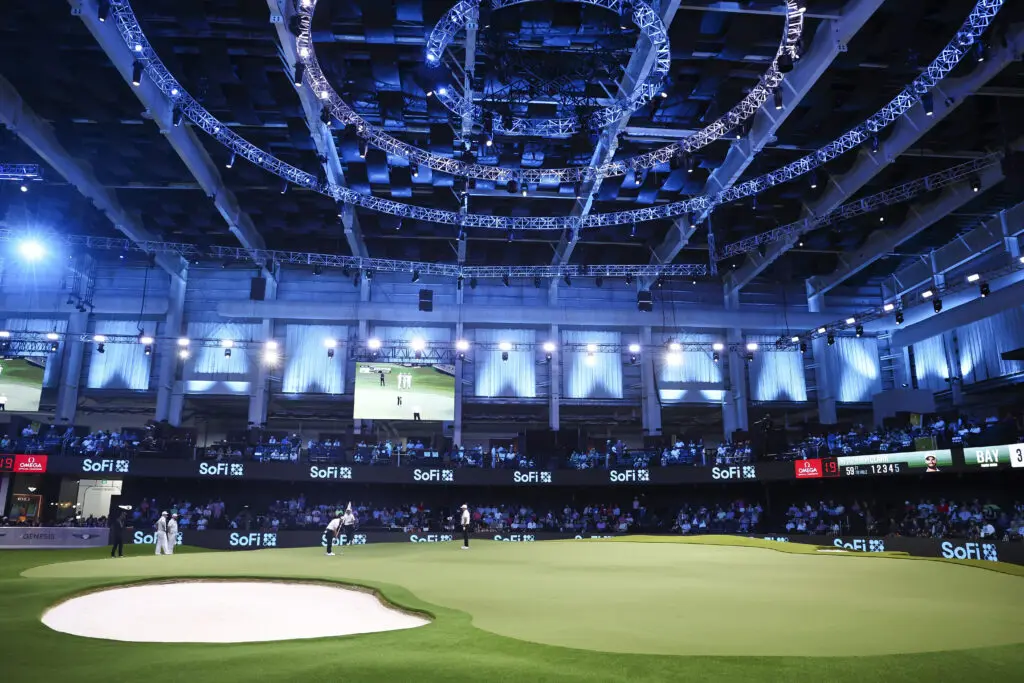
A general view of the indoor green during a 2026 Tomorrow's Golf League (TGL) match.
The WTGL will merge traditional golf with simulated play. (Megan Briggs/TGL/TGL Golf via Getty Images)

LPGA stars will soon be hitting the virtual links, as the pro women's tour is teaming up with TMRW Sports to launch the all-new WTGL next winter.

The indoor team golf platform will build off the success of the second-year men's venture Tomorrow's Golf League (TGL) — a 2025 upstart co-founded by PGA stars Tiger Woods and Rory McIlroy — which merges traditional golf with simulated play to provide avenues for offseason competition.

"I've seen how new formats can engage audiences while showcasing both athlete personality and performance, and WTGL brings that spirit of innovation to the women's game," said commissioner Craig Kessler in the LPGA's Tuesday press release. It creates another global stage for our athletes — one that helps fans connect more deeply with them and continues to elevate the visibility and growth of women's golf."

US fan favorite Lexi Thompson unveiled the news on ESPN's SportsCenter on Tuesday, promising a star-studded roster of LPGA standouts, with WTGL participants and teams dropping in the upcoming months.

"It just brings a whole different fan base to the game of golf," said the 2022 Women's PGA Championship runner-up. "[Fans can] see the personalities of the guys, and now the women. So, it's just amazing for the game of golf in general, but especially the women's side."

Pro Volleyball Leagues LOVB, MLV Kick Off 2026 Seasons

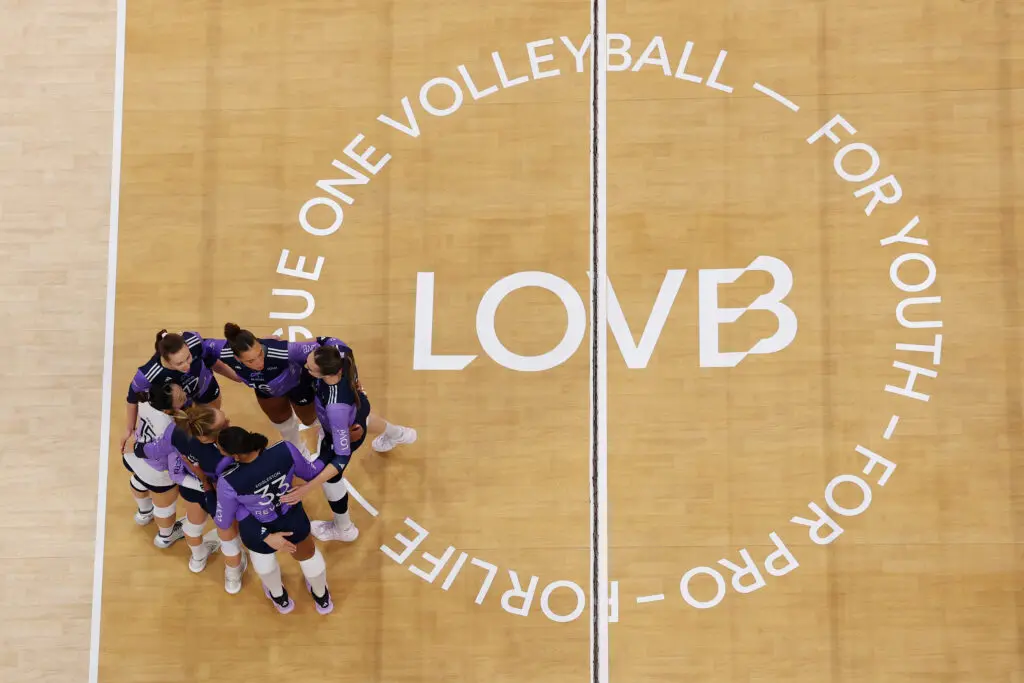
An overhead view of LOVB Austin huddling on the court during the 2025 championship game.
LOVB Austin won the inaugural League One Volleyball title in 2025. (Emilee Chinn/LOVB/Getty Images)

Professional volleyball is back in action this week, with both League One Volleyball (LOVB) and Major League Volleyball (MLV) kicking off their 2026 seasons as the sport's pro landscape continues to grow.

Featuring an Olympian-heavy player pool, LOVB is returning with its six inaugural teams as reigning champion Austin looks to run the title back this season before the second-year league adds three new clubs in 2027.

Meanwhile, following a blockbuster merger with the two-season-old Pro Volleyball Federation (PVF), MLV will start serving with eight teams as 2025 PVF champs Orlando Valkyries embarks on their own title defense, all while the new conglomerate eyes more future expansion.

As NCAA volleyball continues to dominate the fall calendar, multiple pro leagues — each armed with top talent and broadcast deals — are forming in response to demand from both players and fans.

How to watch the 2026 season starts of LOVB and MLV

LOVB hits the 2026 court first with a rematch of the league's 2025 championship, with defending title-winners Austin facing runners-up Nebraska at 6 PM ET on Wednesday, airing on USA Network.

Then on Thursday, MLV enters the fray as the Atlanta Vibe hosts the Columbus Fury at 7 PM ET before the San Diego Mojo visits the Omaha Supernovas at 8 PM ET. Both MLV matches will stream live on YouTube.